
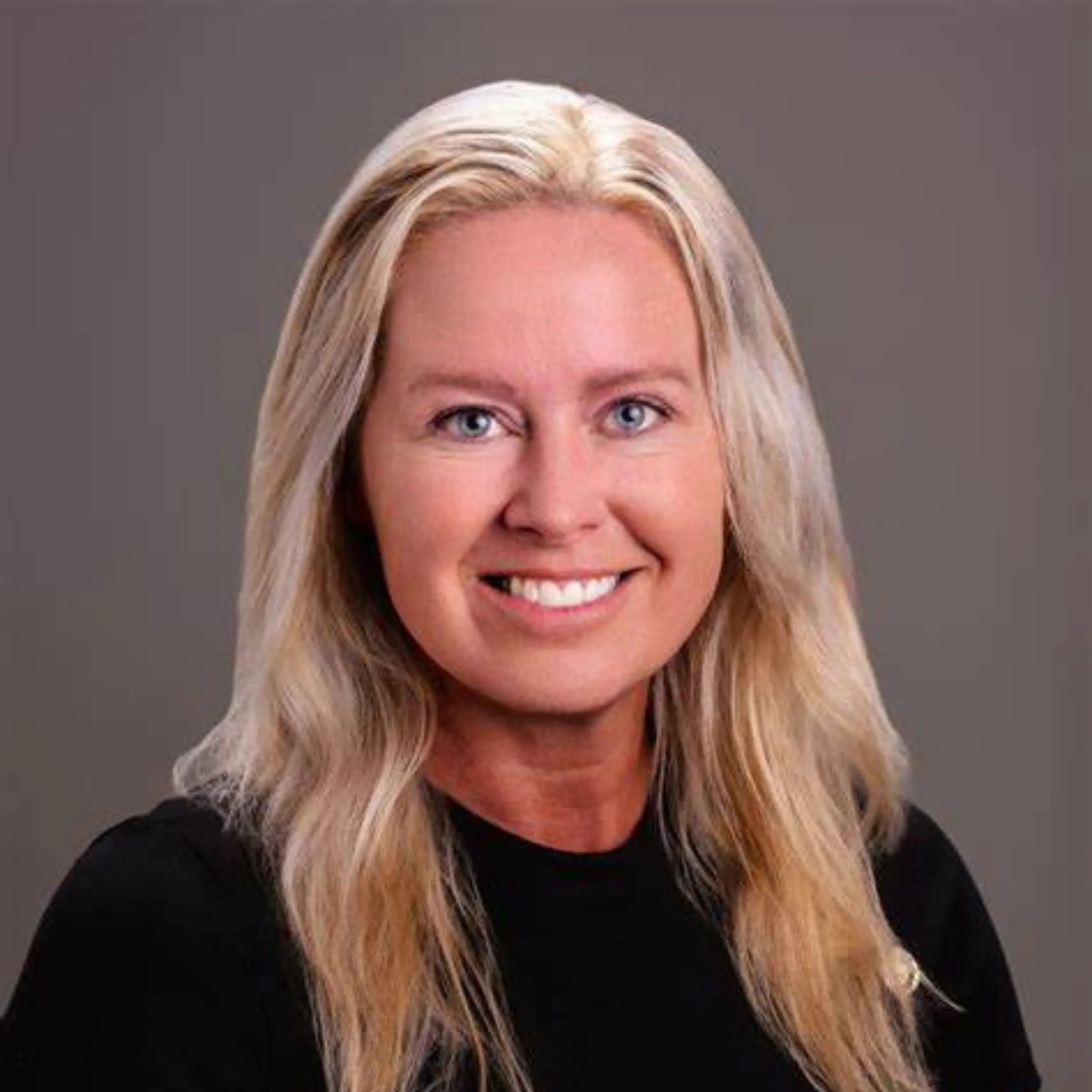

Randi Foraker
Professor and Chair of the Department of Biomedical Informatics, Biostatistics, and Medical Epidemiology at the University of Missouri School of Medicine
I am Professor and Chair in the Department of Biomedical Informatics, Biostatistics & Medical Epidemiology.
I am an epidemiologist by training and specialize in the design of population-based studies, risk prediction, and the integration of electronic health record data with socioeconomic indicators.
My recent research has focused on the application of electronic health record-based clinical decision support to complement risk scoring in primary care, cardiology, and oncology. I have additional expertise in the use of computationally derived data for research purposes and have conducted several synthetic data validation studies.
All Sessions by Randi Foraker
Track A - Scaling Talent for the Bioscience Industry: Data Science, Engineering & Lab Skills for Tomorrow’s Workforce
Enterprise RoomAs the bioscience industry continues to expand, equipping the next generation of scientists and technologists with data science, engineering, and lab skills is essential for sustaining innovation and economic growth. This panel, moderated by Sally Steuterman, Manager of Scientific Training Partnerships at BioSTL, will explore how BioSTL, BioNexus KC, and MOBIO are leading workforce development efforts to bridge the talent gap and prepare individuals for high-demand careers in biotech and life sciences. Through the Bioscience Industry Occupational Training & Equity Collaborative Hub (BIOTECH), these organizations are designing and implementing industry-led training programs that connect education, research, and workforce development to meet the needs of Missouri’s bioscience sector. Panelists will discuss hybrid technical training programs, bioscience core skills certifications, and strategic partnerships that are helping individuals—particularly from underrepresented communities—gain the technical expertise needed to enter and advance in bioscience careers.